Budget-Friendly Healthy Meal Ideas
Plan around versatile ingredients, realistic portions and food you will actually use.
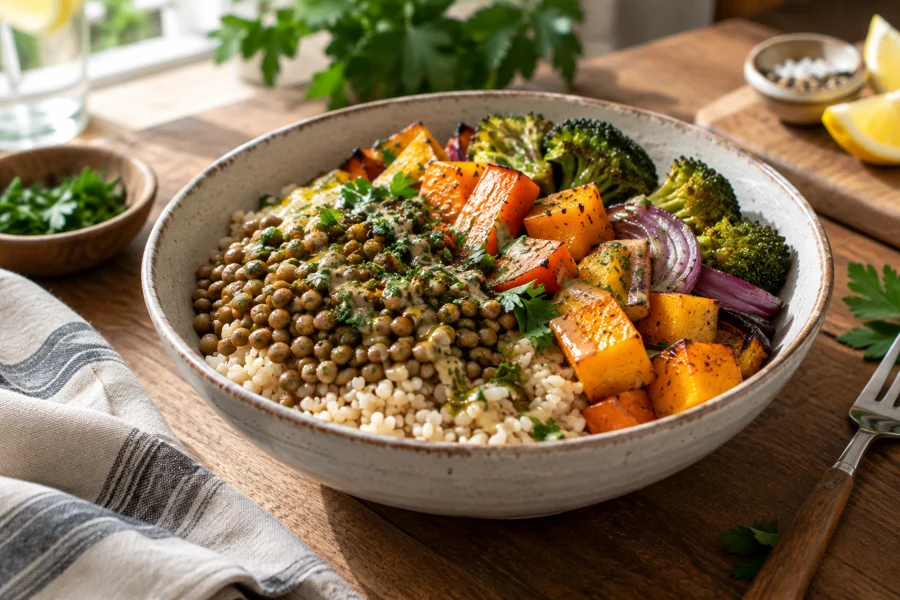
Table of Contents
Build around your actual food budget
Affordable eating depends on local prices, household needs, cooking fuel, storage and the time you have. This guide does not promise a universal cost per meal. Start with what you can buy and use reliably rather than an ideal shopping list from another country.
Choose versatile ingredients that appear in several meals. Beans, lentils, eggs, oats, grains and frozen or seasonal vegetables may be useful options, but compare the prices and portion sizes available where you live.
Compare what you will actually use
Look at unit prices where displayed, then consider waste and preparation. A large package costs less per unit only if you can store and use it. A ready-cooked ingredient may cost more but be worthwhile when it avoids a missed meal or an expensive last-minute order.
Include extras in your plan: oil, seasoning, transport and cooking fuel. Do not buy an unfamiliar ingredient in bulk before trying a small amount. A household that dislikes a bargain will not benefit from its low sticker price.
Five flexible meal combinations
- Lentil tomato soup with bread: use ready-cooked lentils for convenience or safely cook dried lentils according to their instructions.
- Bean and vegetable wraps: use the same filling for a rice bowl the following day, with appropriate storage.
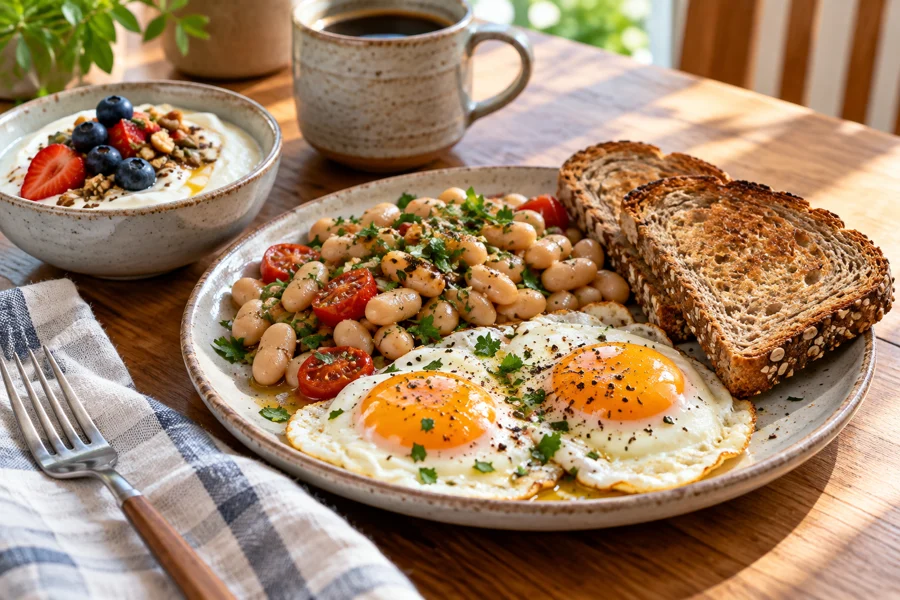
- Oats with fruit and yogurt: rotate fruit according to availability rather than buying several toppings at once.
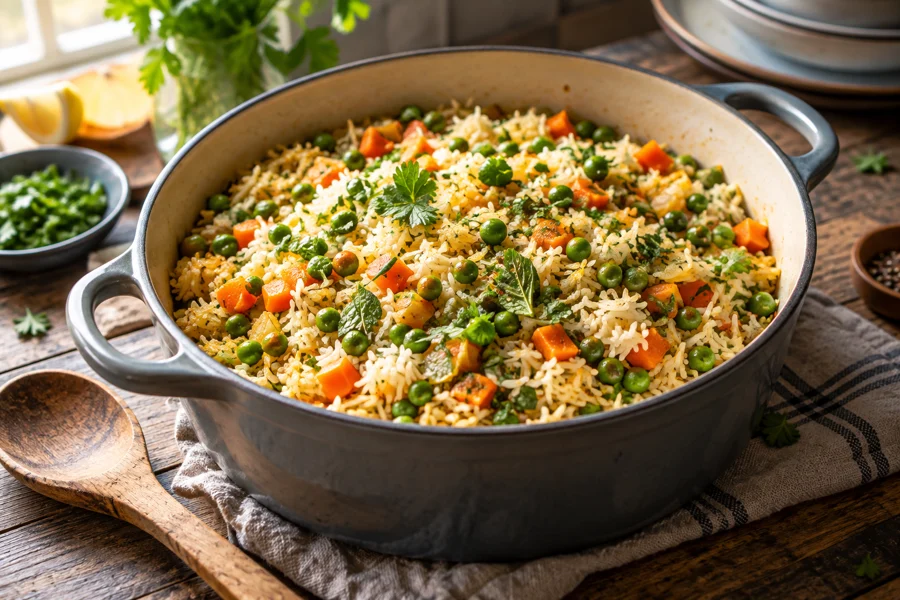
- Egg or tofu vegetable rice: choose vegetables already planned for another meal and avoid buying a separate packet for one garnish.
- Chickpea vegetable stew: stretch the variety with a seasonal vegetable and serve with a familiar grain or bread.
Make a three-meal shopping plan
For a small starting plan, choose one soup, one bowl and one wrap. Let two vegetables appear in all three. List what you own, then buy only the missing ingredients in usable quantities. Keep a shelf-stable backup option for a schedule change.
Leave room for preferences and culturally familiar food. Budget planning should not require eating something you dislike repeatedly. If fresh produce is unavailable, use suitable frozen or canned alternatives and compare product labels where helpful.
Review waste without blaming yourself
Write down what remained uneaten and why. Perhaps portions were too large, the ingredient was hidden or your schedule changed. Freeze suitable extras earlier next time, buy a smaller amount or choose a different combination.
A balanced pattern can develop through small practical choices. This article does not prescribe a weight-loss diet or individual nutrient targets. If you need a specialist eating plan, seek advice suited to your circumstances.
Explore more: Build a balanced meal
Explore more: Beginner meal prep

Reader Comments
All comments require Admin approval. Do not include sensitive personal or medical details.
Leave a comment
Your display name and approved comment will be public. Email stays private. Privacy Policy
Loading comment form…