Essential Cooking Tips Every Beginner Should Know
Build confidence with preparation, safe habits and a few repeatable techniques.
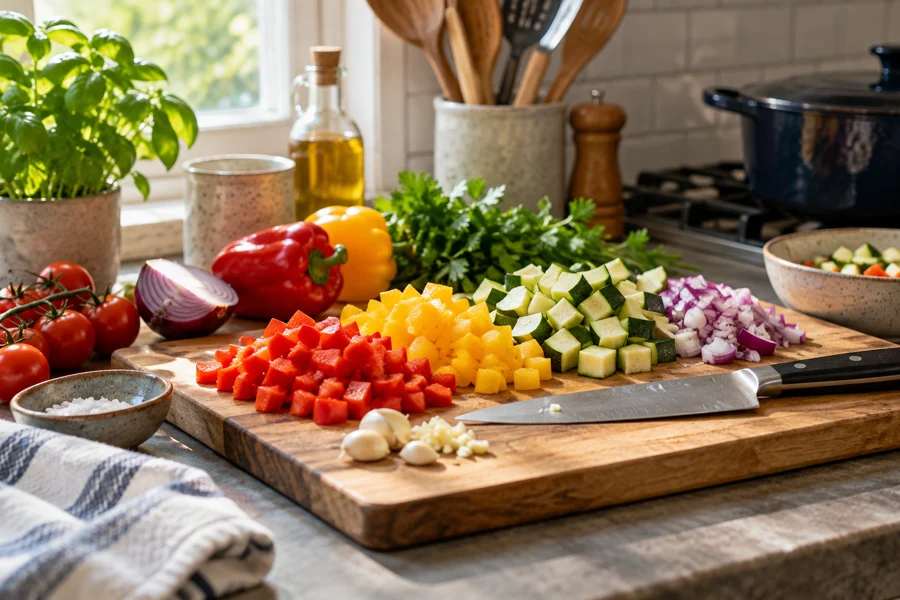
Table of Contents
Read the whole method before switching on the heat
A recipe becomes easier when you understand the sequence. Find the longest step, check whether an ingredient must be cooked already and identify anything that needs chopping. A short preparation list can prevent an onion from burning while you search for the next ingredient.
Start with a familiar meal and modest quantities. You learn more from repeating a simple soup or scramble than from buying equipment for several complicated recipes at once.
Set up a small, safe workspace
- Use a stable chopping board and make space for the ingredients you are preparing.
- Keep the pan handle positioned safely and choose a burner appropriate to the pan.
- Measure unfamiliar seasonings before adding them; you can add more gradually.
- Keep a clean tasting spoon separate from utensils touching raw ingredients.
- Read appliance instructions, especially for pressure cookers, microwaves and unfamiliar cookware.
Use heat deliberately
High heat is not automatically faster. It can brown the outside while leaving the inside unfinished, or burn ingredients before they soften. When a method calls for gentle simmering, look for occasional small bubbles rather than a vigorous boil.
Watch and listen: a pan that suddenly becomes dry may need less heat or more suitable liquid. If you are unsure, pause and read the method again. Safe cooking of meat depends on the appropriate internal temperature, not its colour alone; use reliable temperature guidance and a food thermometer.
Learn seasoning through small adjustments
Taste food when it is safe to do so. Add a little seasoning, stir and taste again rather than adding several strong flavours at once. Acid, such as lemon juice, may change the flavour differently from salt; decide what the dish needs before reaching for another ingredient.
Take a brief note when a combination works. Record what you changed and what you would adjust next time. This is especially helpful when adapting a recipe to local vegetables or different brands.
Keep food handling part of the recipe
Wash hands and clean utensils, keep raw and ready-to-eat foods separate, cook safely and chill perishables appropriately. These are the four food-safety steps in the linked official guidance. Build them into your sequence rather than treating cleaning as an optional final task.
Finish by storing suitable leftovers, wiping the work area and putting sharp tools away safely. For your next practice meal, choose one skill to focus on—cutting evenly, controlling a simmer or organising ingredients. Familiarity grows through repetition, not a perfect first attempt.
Explore more: Easy one-pot meals

Reader Comments
All comments require Admin approval. Do not include sensitive personal or medical details.
Leave a comment
Your display name and approved comment will be public. Email stays private. Privacy Policy
Loading comment form…