How to Build a Balanced Everyday Meal
Use variety and flexibility to plan meals that suit your preferences and circumstances.

Table of Contents
Think in components, not a perfect plate
A balanced everyday meal can include a range of foods without elaborate cooking. Start with a familiar base, a protein-containing food and vegetables or fruit. Include other foods that suit your preferences and dietary needs across the day. This is a flexible cooking framework, not an individual nutrition prescription.
A mixed dish can work just as well as neatly separated sections. Lentil soup, a vegetable rice bowl or a familiar stew may be easier to prepare than arranging several separate foods.
Choose each part with a purpose
- Base: bread, rice, potatoes, pasta or another grain provides the structure of the meal. Use the type you enjoy and can prepare reliably.
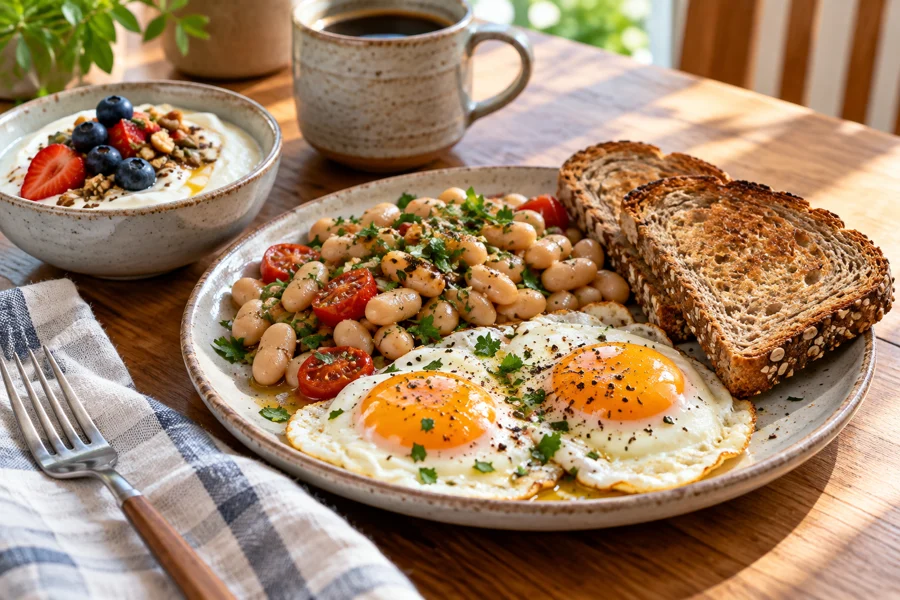
- Protein-containing ingredient: try beans, lentils, tofu, eggs, fish or another suitable option.
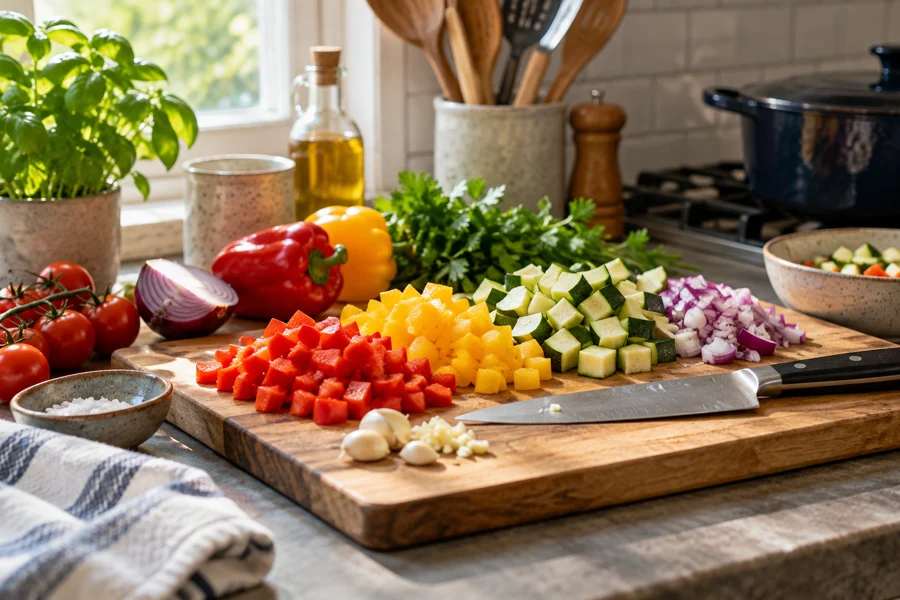
- Vegetables or fruit: use available fresh, frozen or canned choices and vary them over time.
- Finishing ingredients: herbs, spices, oil, seeds or a simple sauce can make an ordinary combination enjoyable.
- Drink and other foods: consider the wider day rather than forcing everything into a single dish.
Three familiar examples
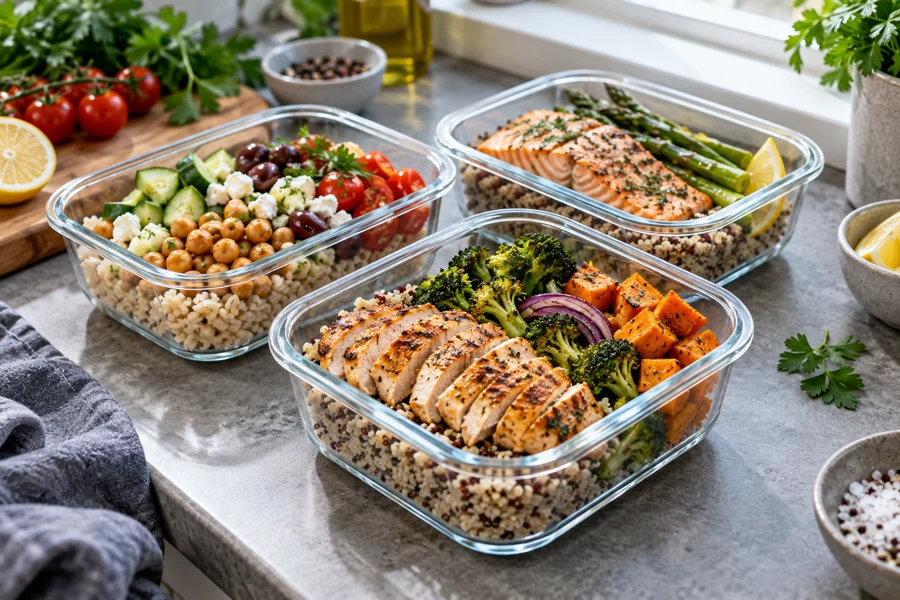
For a bowl, combine a cooked grain, beans and sautéed vegetables, then finish with a dressing you like. For a soup meal, serve a lentil-vegetable soup with bread and another food if needed for your appetite. For a sandwich, choose a suitable filling and add vegetables or fruit alongside.
These are examples, not a fixed serving-size rule. The needs of a child, an active adult and someone following a medically prescribed diet may differ. Adapt portions and ingredients rather than copying an image literally.
Make balance easier on a busy day
Keep one reliable ingredient from each group available. Ready-cooked beans, frozen vegetables and a quick base can form a backup meal. Prepare the slower component when you have time and assemble the rest later with appropriate storage.
If a meal is mainly bread or pasta, consider adding a suitable filling or vegetables rather than labelling the whole meal bad. Small additions can improve variety without replacing culturally familiar food.
Review the pattern across your week
Ask whether you have a useful range of foods and whether meals are enjoyable, affordable and practical. Rotate one ingredient at a time if the same combination becomes boring. A shopping list built around real meals usually helps more than buying ingredients because they have a wellness label.
Seek tailored support if you have allergies, a health condition or nutritional needs that make meal planning difficult. General cooking advice cannot determine the right diet for an individual.
Explore more: Budget-friendly meals
Explore more: Breakfast ideas
Reader Comments
All comments require Admin approval. Do not include sensitive personal or medical details.
Leave a comment
Your display name and approved comment will be public. Email stays private. Privacy Policy
Loading comment form…